The release of the beagles is the result of a deal between two animal rights groups and the dog breeding and research facility.

The first 150 of 500 beagles from Ridglan Farms arrived at the Dane County Humane Society Monday morning. The release of the beagles from the dog breeding and research facility is the result of a deal between two animal rights groups and Ridglan, located about 30 miles from Madison in the town of Blue Mounds. In all, 1,500 of the facility’s roughly 2,000 dogs were sold to the animal rights groups.

The Beagle Freedom Project organized Monday’s transfer. Another 350 beagles will be transferred this week to the DCHS. They will receive shots, vaccines, microchips and general care. Some will remain at the humane society for adoption, and others will be sent to various other centers throughout the Midwest.

As of May 8, DCHS says more than 1,400 individuals had submitted forms indicating interest in adopting the 50 beagles that will remain at the shelter.
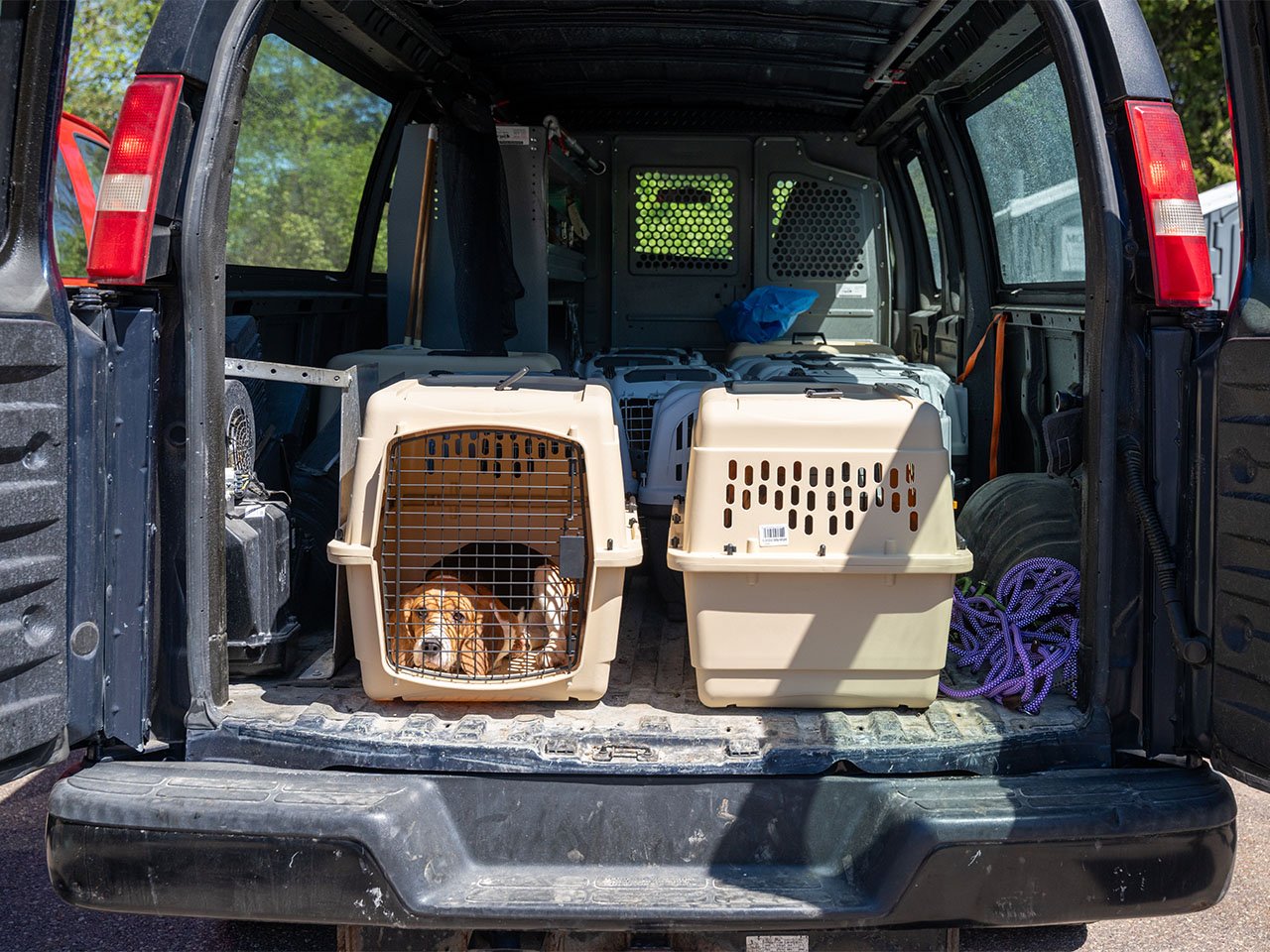
The first 150 of 500 beagles destined for the Dane County Humane Society arrived on May 11, via the Beagle Freedom Project. A total of 1,500 beagles are being released from Ridglan Farms as the result of a deal between two animal rights groups (Big Dog Ranch Rescue and the Center for a Humane Economy) and the dog breeding and research facility.

The Dane County Humane Society is collaborating with the Beagle Freedom Project to ‘stage’ 500 beagles who will receive medical care; most will then be transported to other shelters. The DCHS will keep around 50 dogs that will be available for adoption. Amy Good from the DHCS says that over 1,400 people have expressed interest in adopting or fostering the 50 beagles, which she calls ‘an incredible response.’

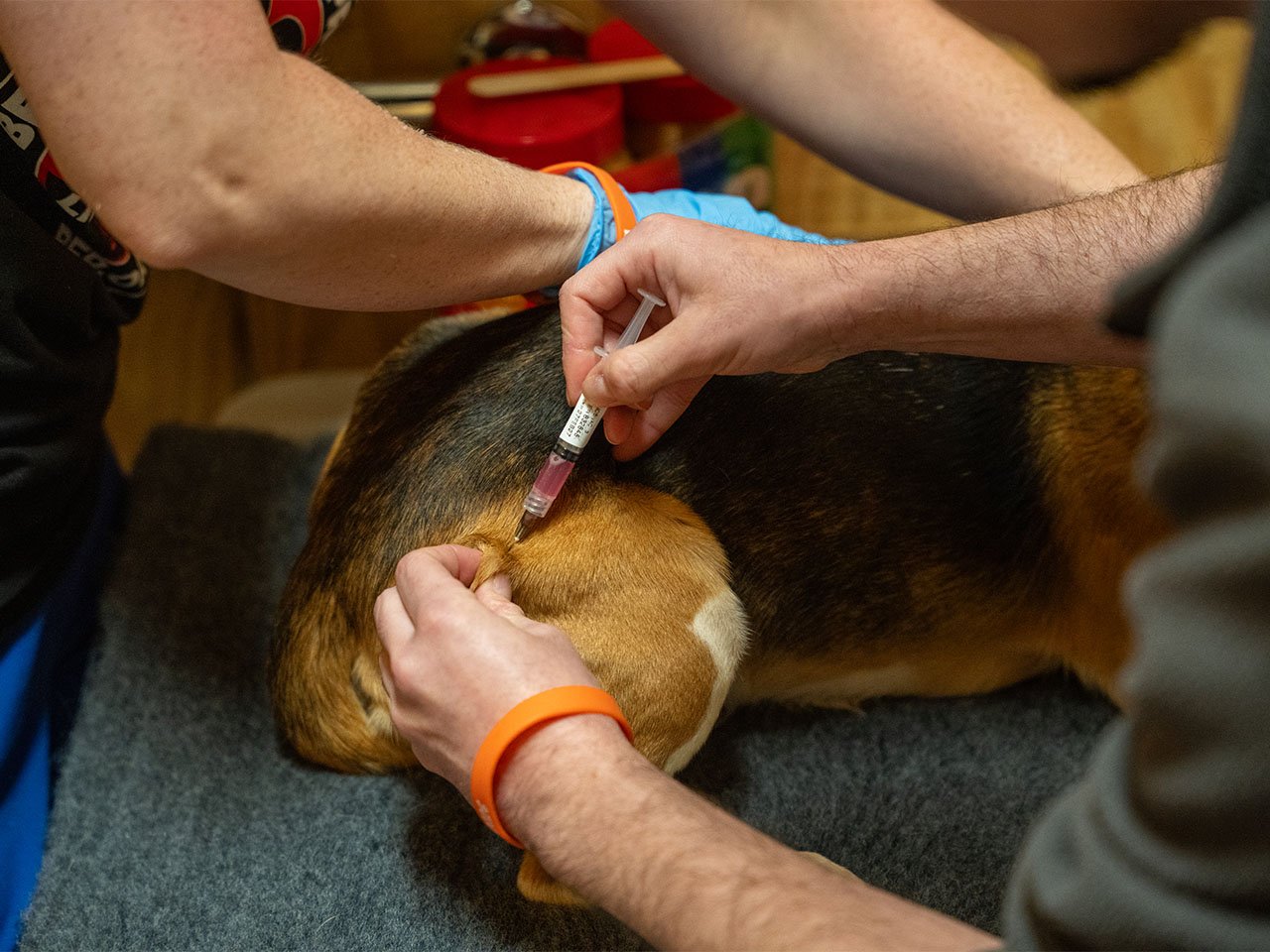
Dr. Uri Donnett, the lead shelter veterinarian at DHCS, and a veterinarian tech attend to a beagle. All dogs who come through DCHS, including the Ridglan beagles, receive vaccines such as DA2PP, rabies and bordetella, and are microchipped. The 50 beagles staying at DHCS will also receive vaccines and a microchip, along with flea and tick treatment, heartworm tests, and spay/neuter surgery.

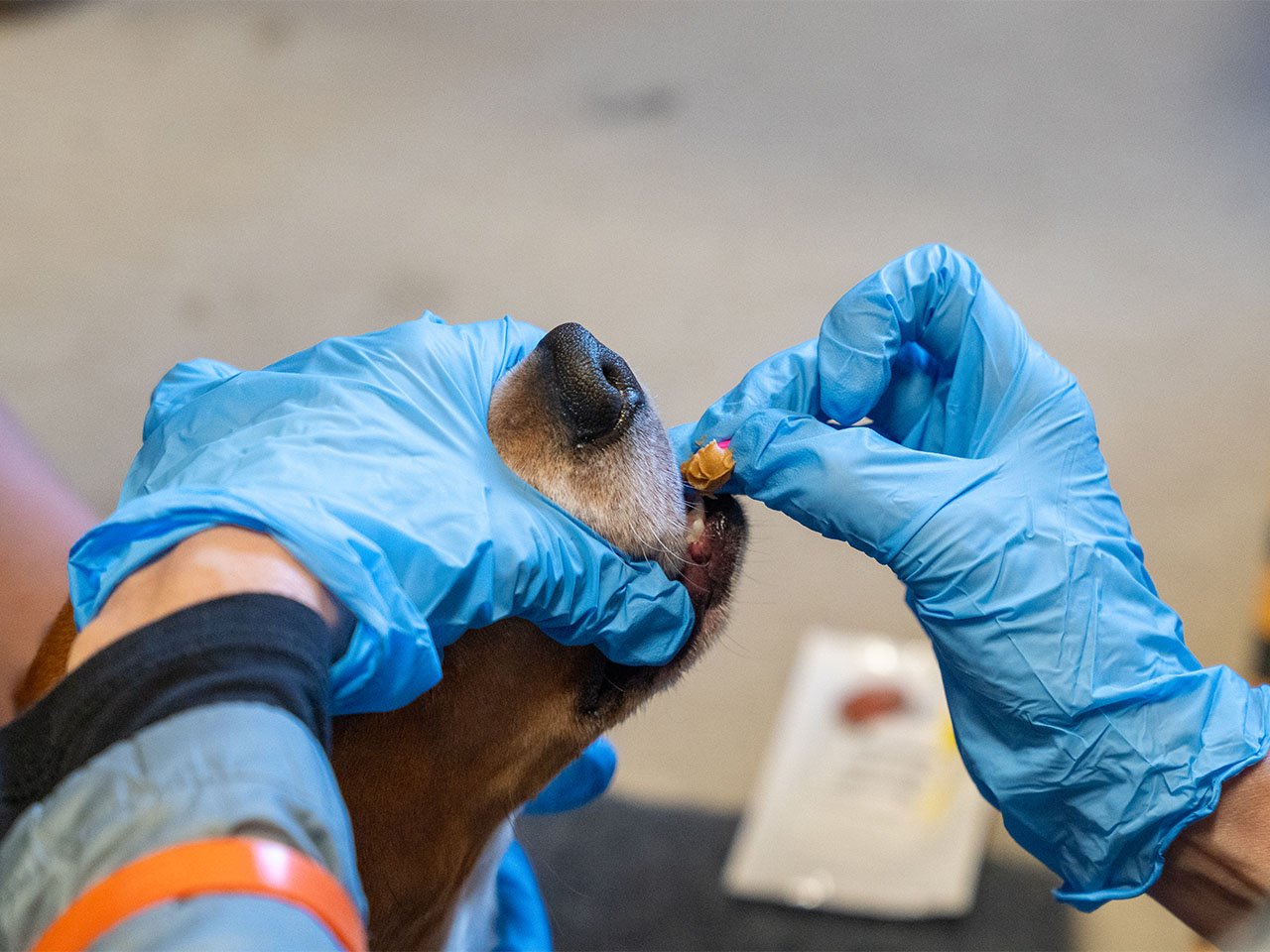
Peanut butter and spray cheese were kept on hand to help deliver medication to the dogs. Amy Good with DHCS said that their veterinarians are ‘going through checking all the different body systems, just like they would for any other dog coming through our shelter.’

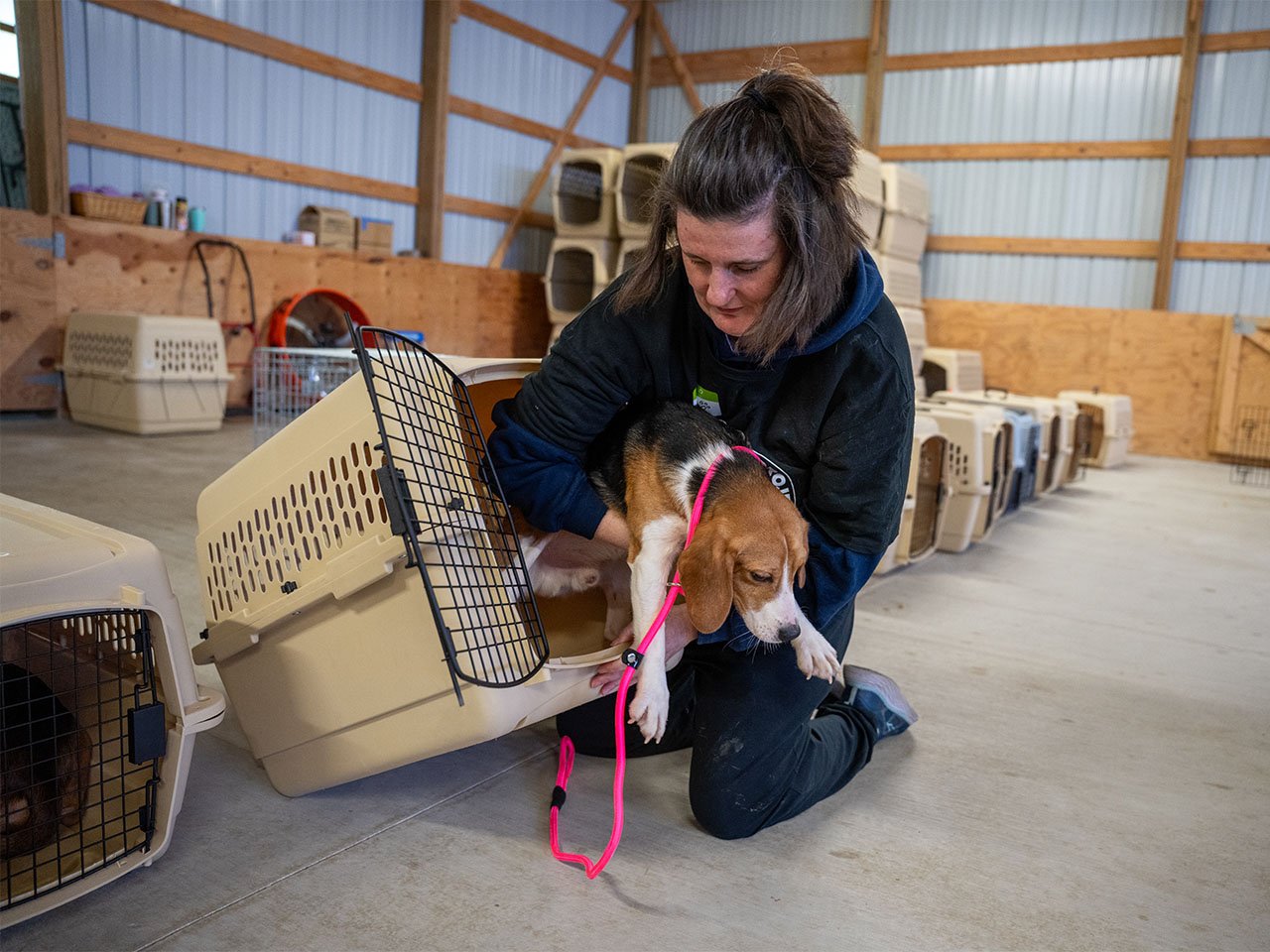
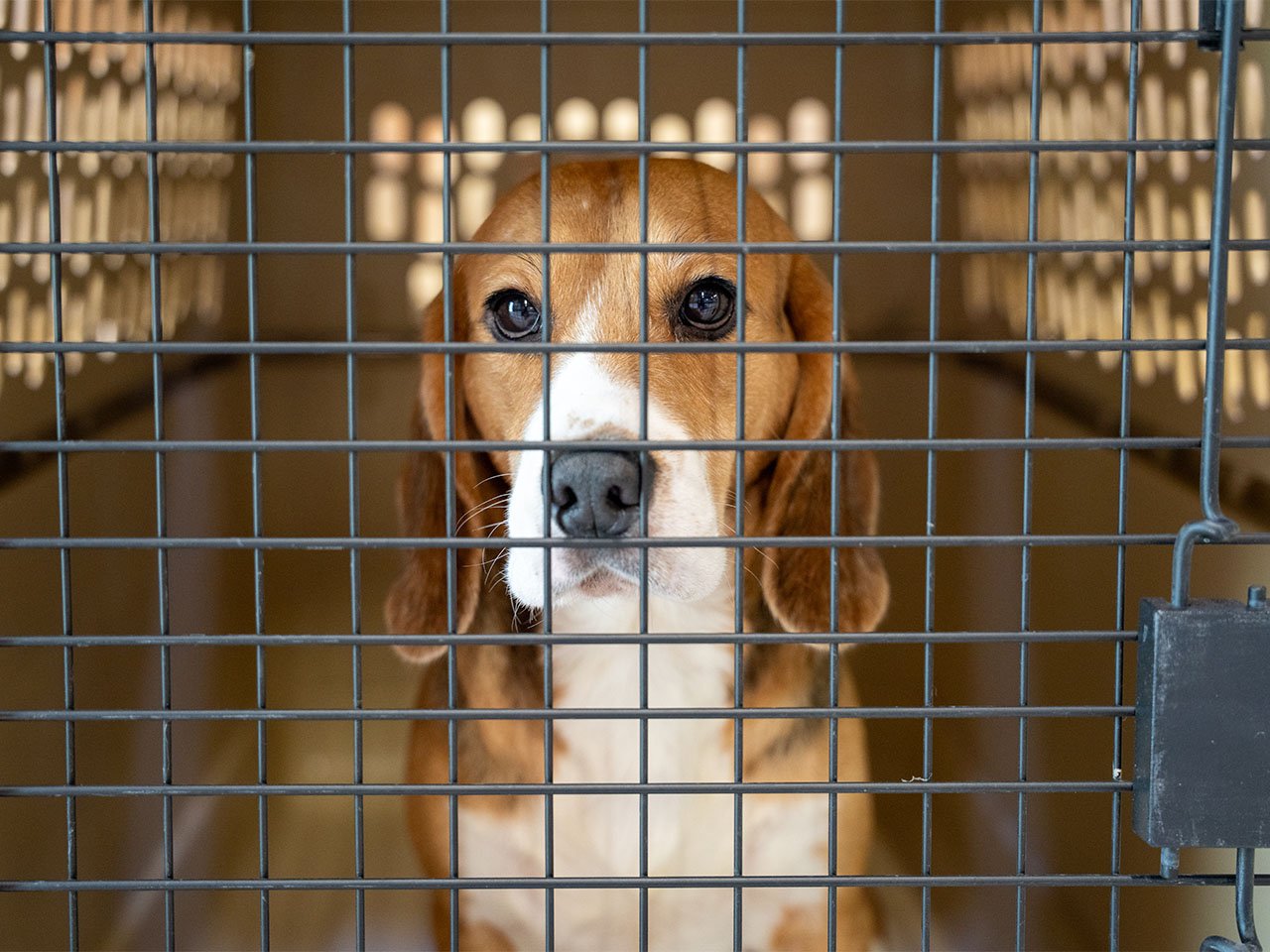
Many volunteers struggled to remove the beagles from the temporary holding and transport crates, as many of the dogs stayed towards the back of the containers and did not appear to want to step outside on their own.

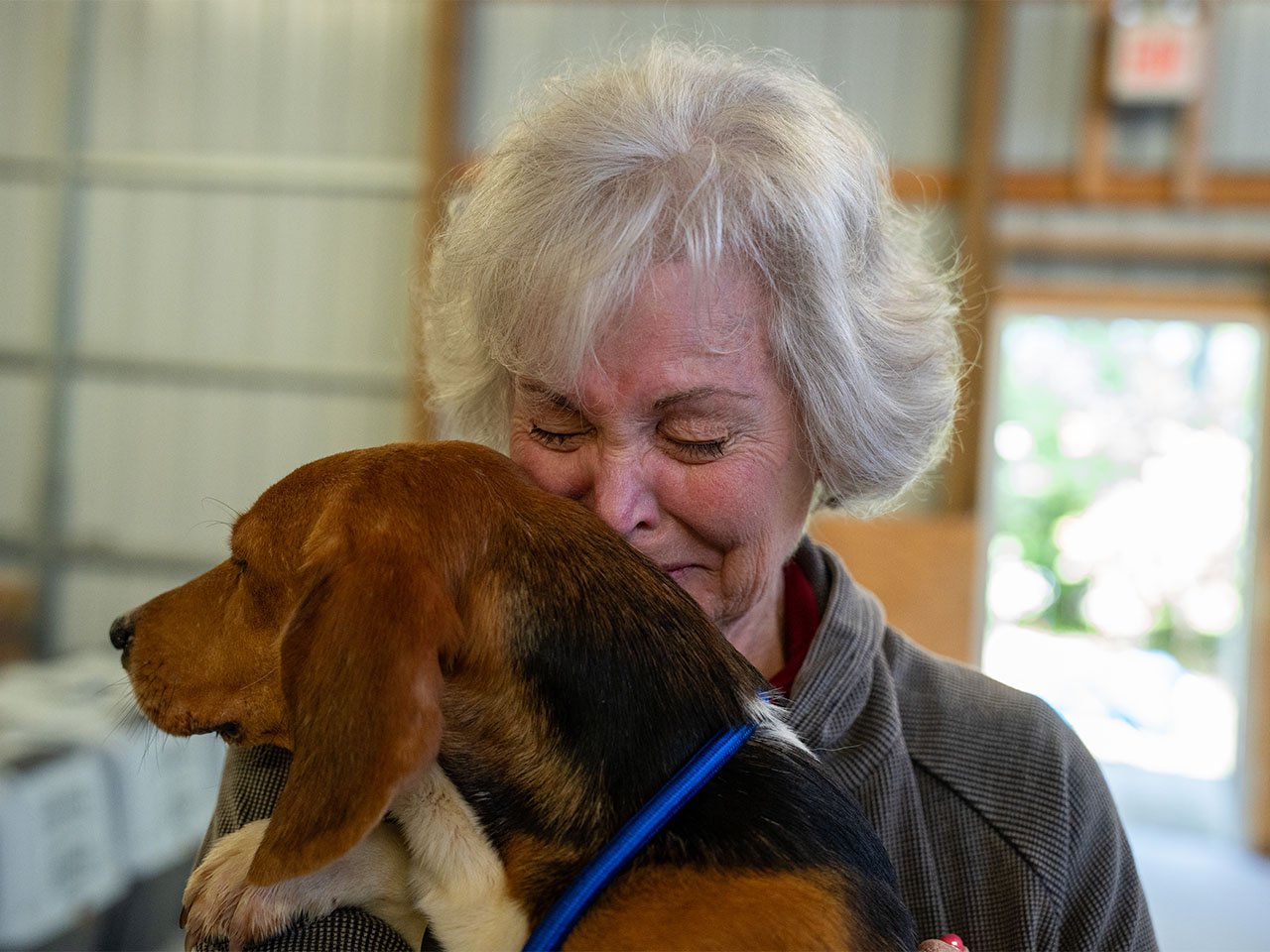
Patricia McConnell is a prominent animal behaviorist. She says that over 20 years ago, Ridglan called her in to assess a behavioral problem with the dogs. ‘I was horrified,’ she said. ‘I didn’t see anything illegal but I saw so much suffering and what I still considered to be abuse…it’s still legal [to have] beagles in little tiny wire cages, so I refused to work with them….’ She teared up seeing and holding the dogs: ‘They’ve just always lived in my heart.’

The behavior and disposition of the 150 dogs varied, with some dogs shaking or cowering in the back of their crates, while others slept or barked. “Dogs are definitely individuals, and we’re seeing that some are like ‘oh my goodness this is amazing’ while others are more like, ‘I’m just going to opt out over there,”’ said Amy Good from DHCS.

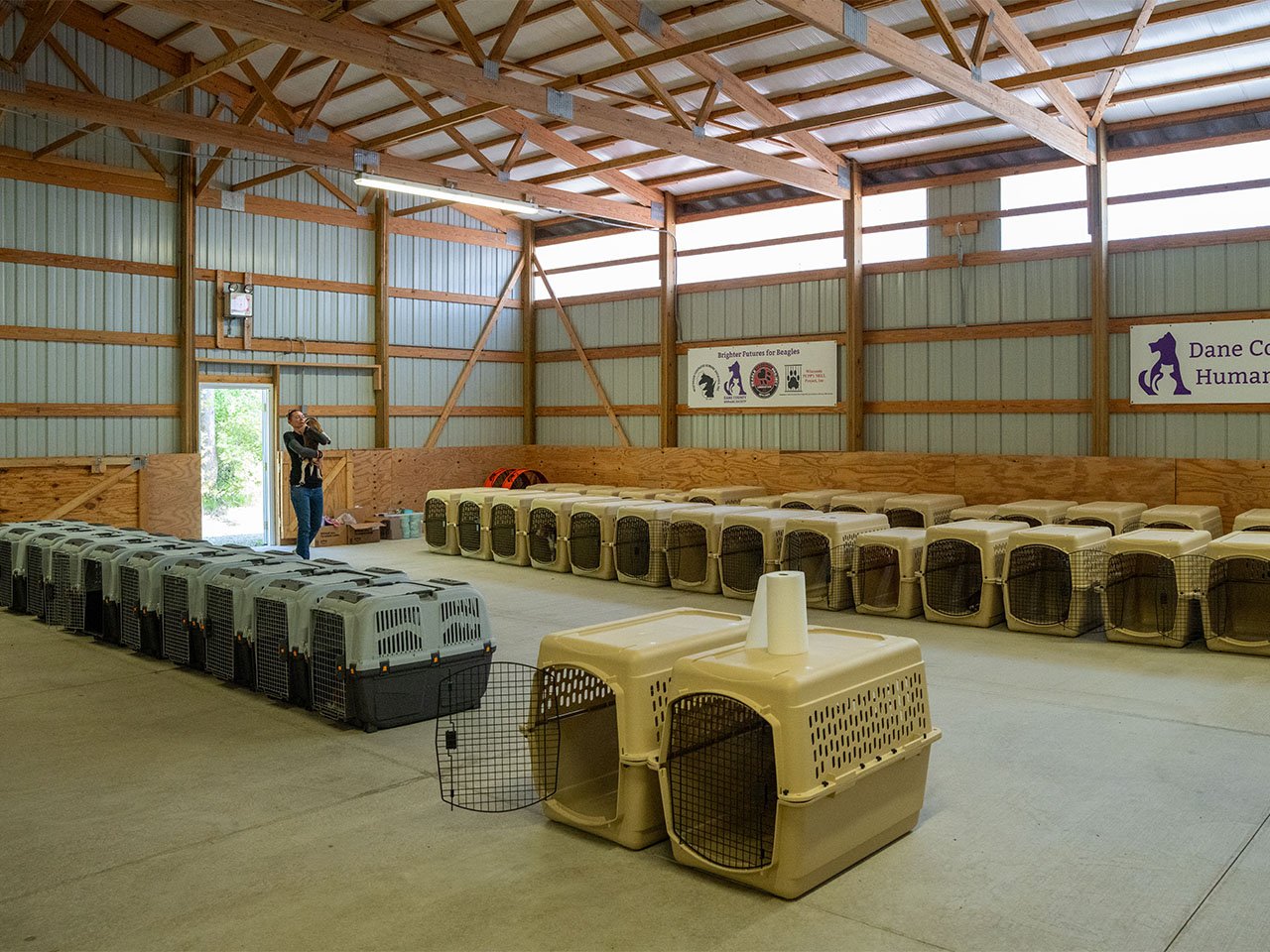
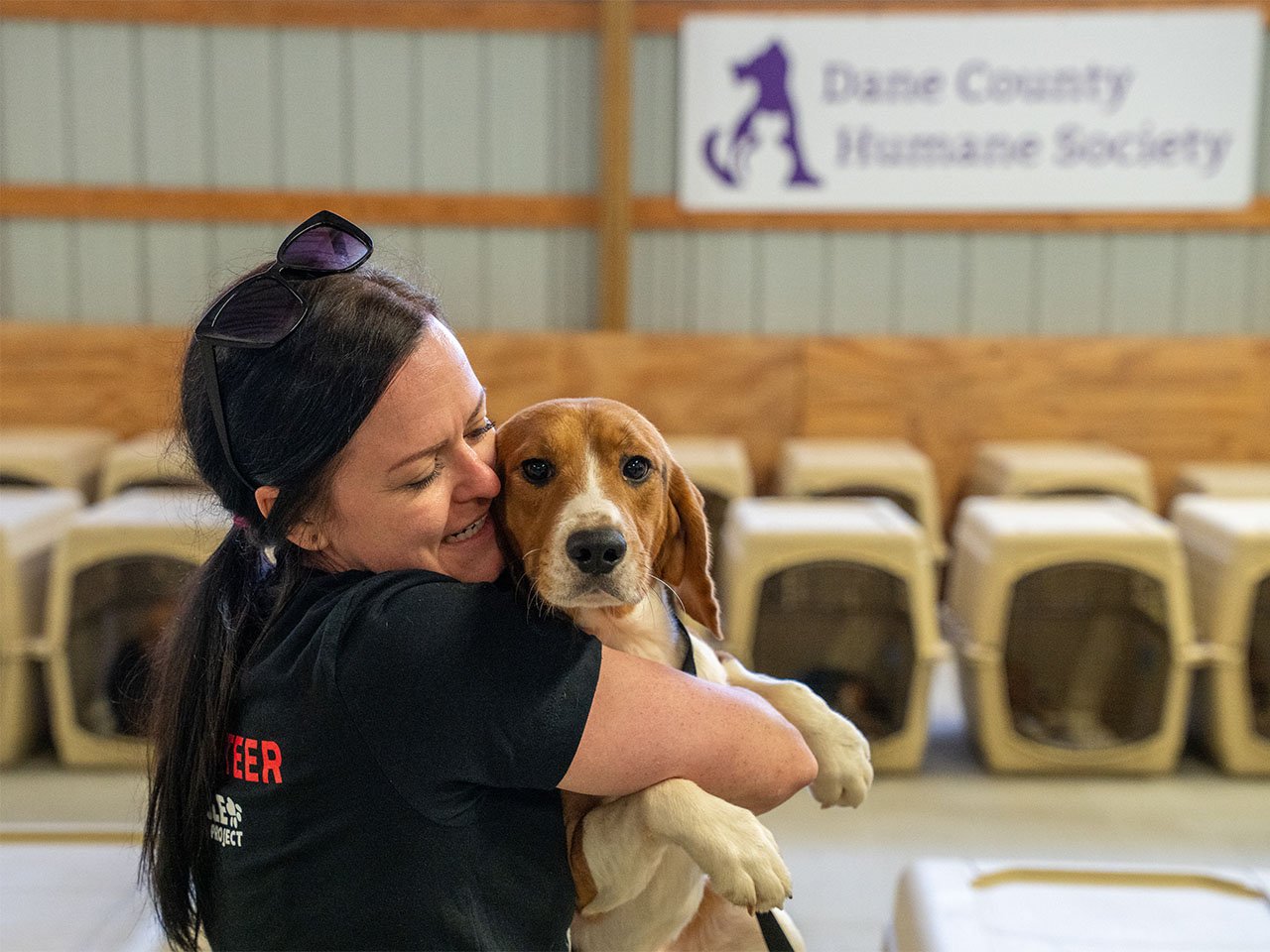
Staff and volunteers from DCHS, the Beagle Freedom Project, Wisconsin Federated Humane Society, and Wisconsin Puppy Mill Project came together to prepare the DCHS facility for the Ridglan dogs. DCHS volunteers cleaned their barn and set up 150 dog crates, and also fenced in a new area for the dogs to touch grass for the first time. The new area was necessary for ‘bio security,’ says Amy Good from DHCS, because the Ridglan dogs came in unvaccinated and therefore could not be on the same grass as other dogs in DCHS’ care.

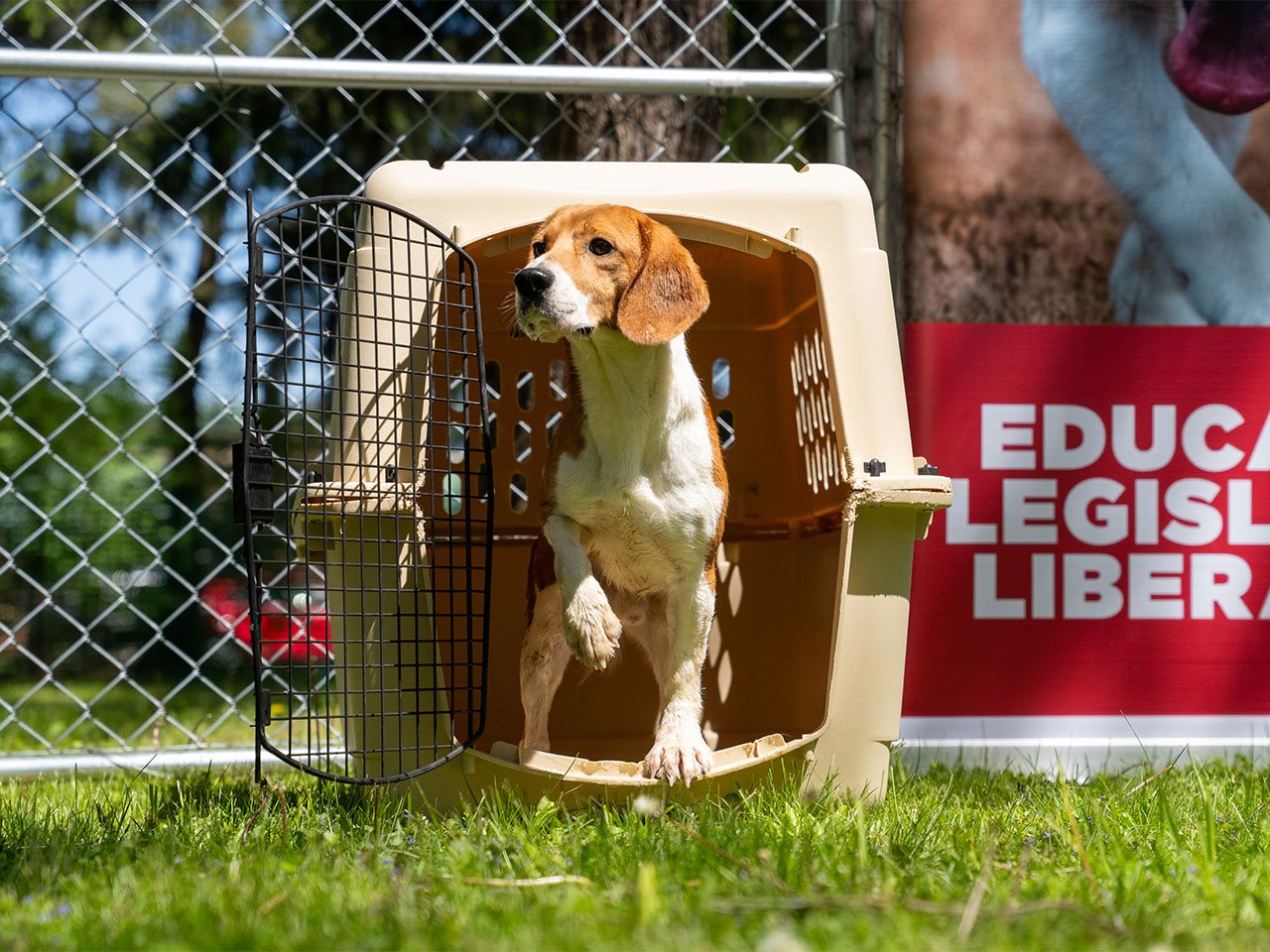
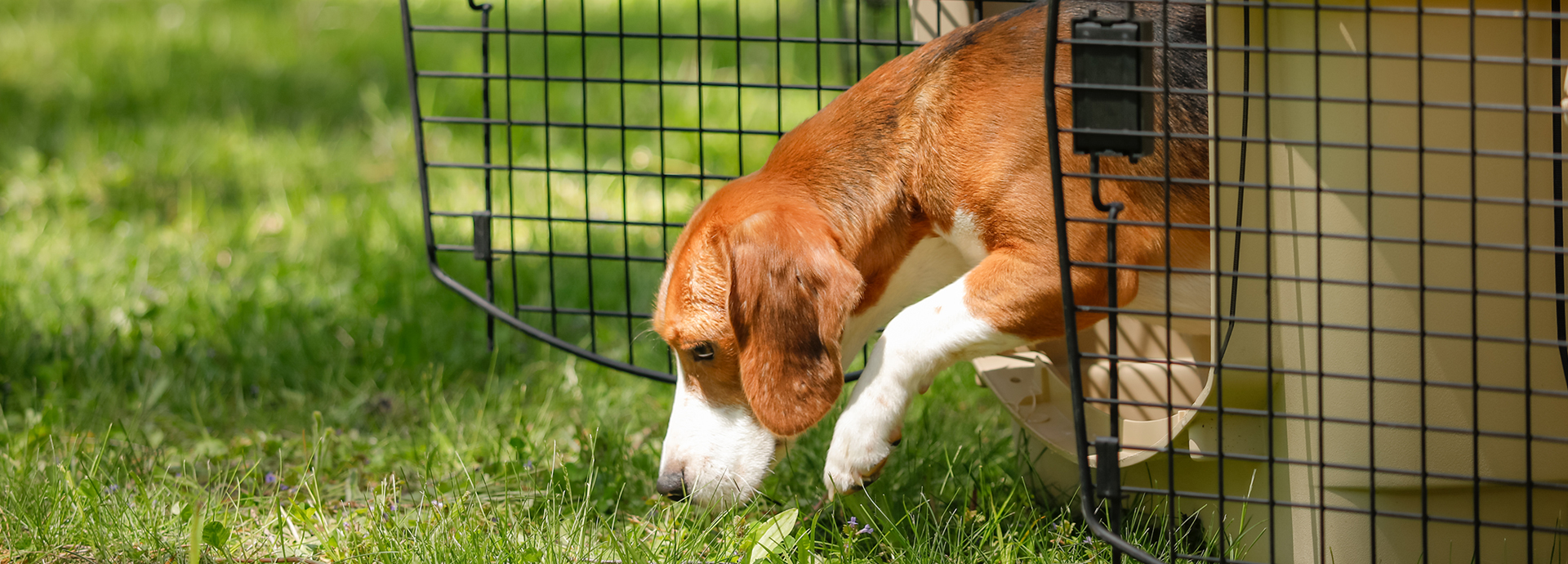
It took this beagle almost two minutes to step out of the crate after it was opened. Amy Good from DHCS says that a lot of the dogs have ‘fearful behaviors,’ including being frightened by loud noises and overwhelmed by new sights and sounds. ‘Some of them are going to adjust pretty quickly, and some might take years to actually act like what you would consider a normal dog…so it’s really just giving them a space to get acclimated and learn about everything and be brave.’

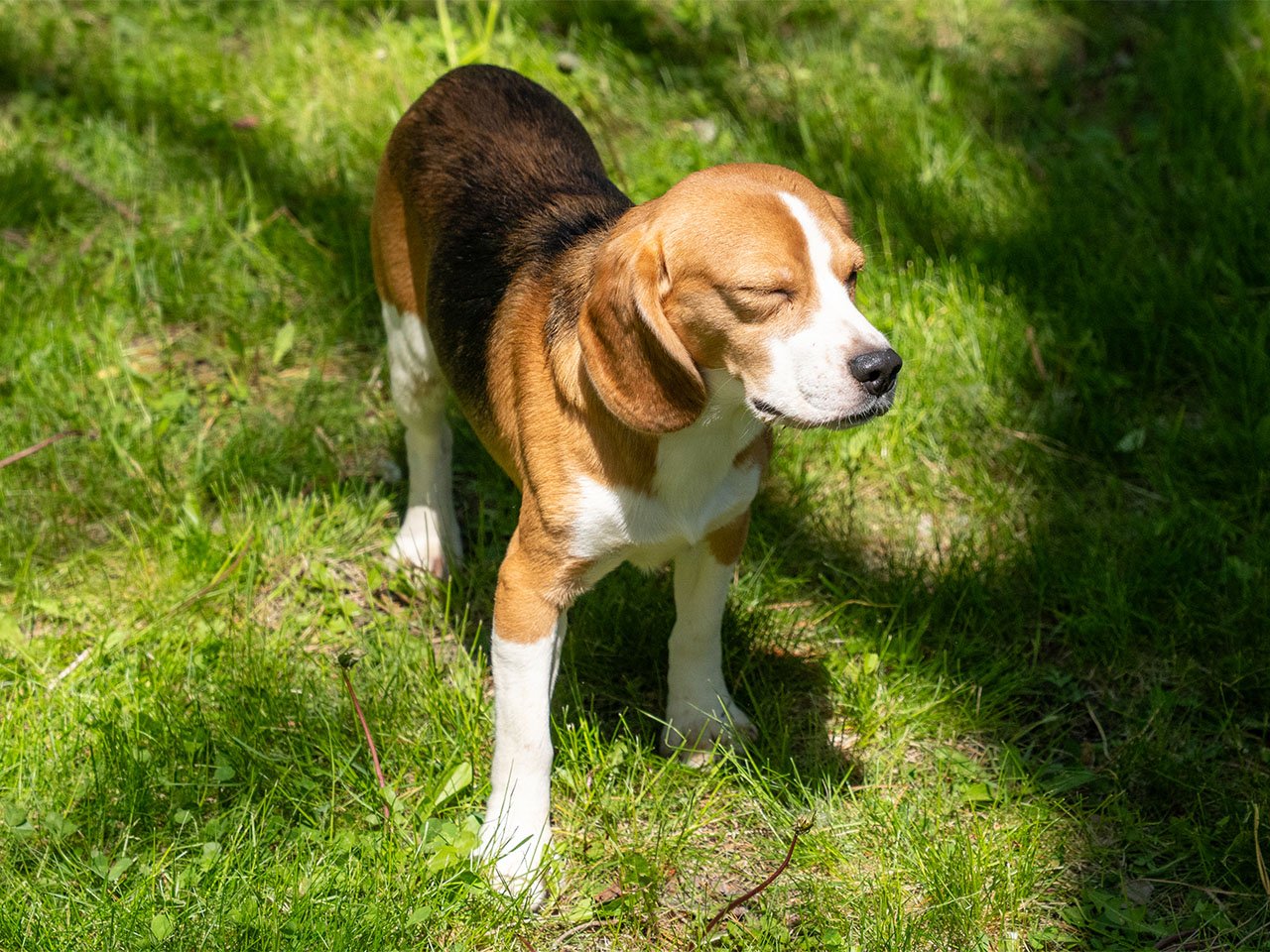
A beagle touches grass and soaks up the sun for the first time; all but 50 of the 500 dogs will be transferred out of the DHCS to other humane societies and shelters in Wisconsin for adoption. Five also are going to Wyoming, 30 to Illinois, 10 to 15 to Minnesota, and 100 directly to the Beagle Freedom Project, which has locations across the United States.

Original source: Isthmus